
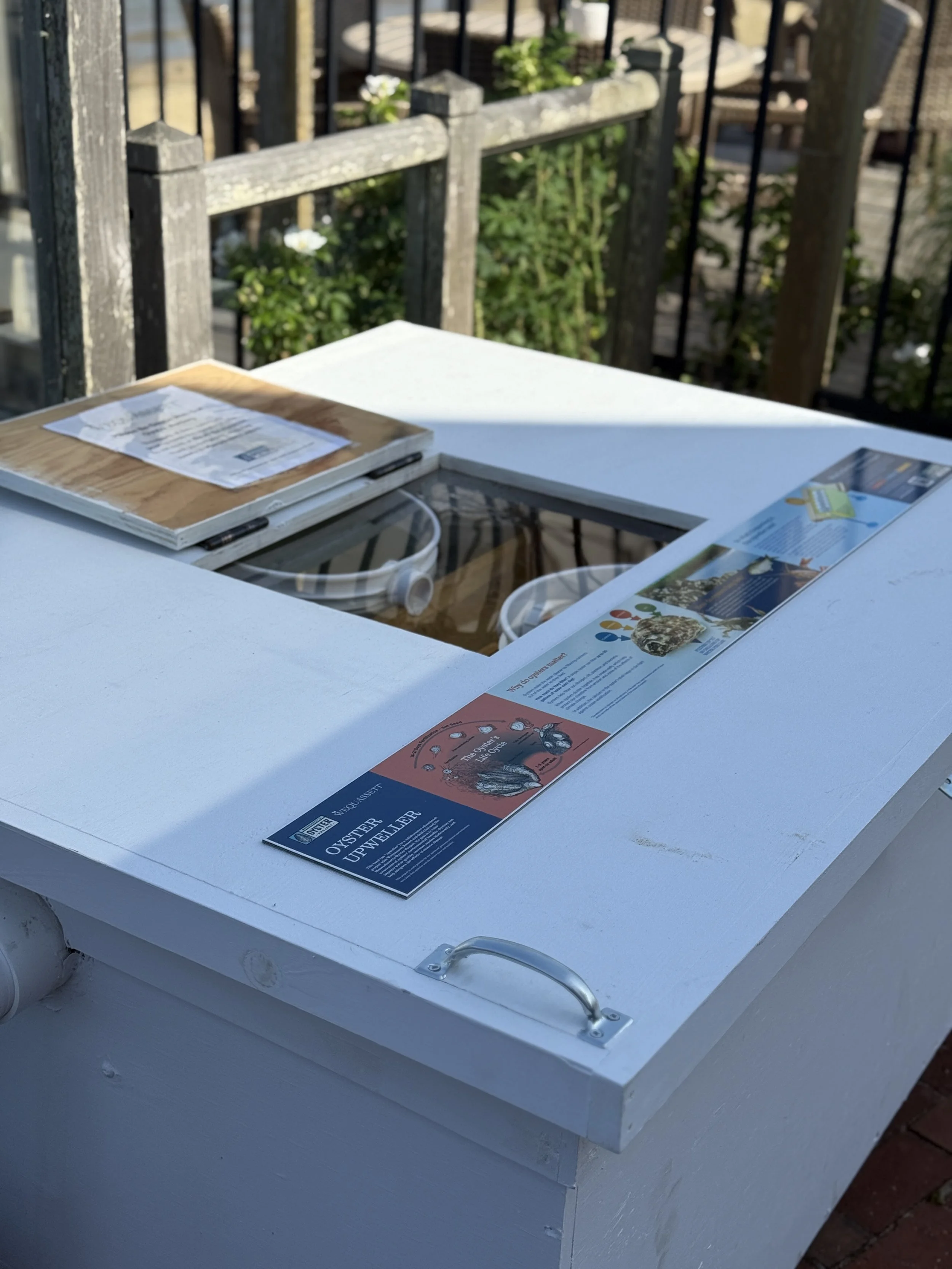
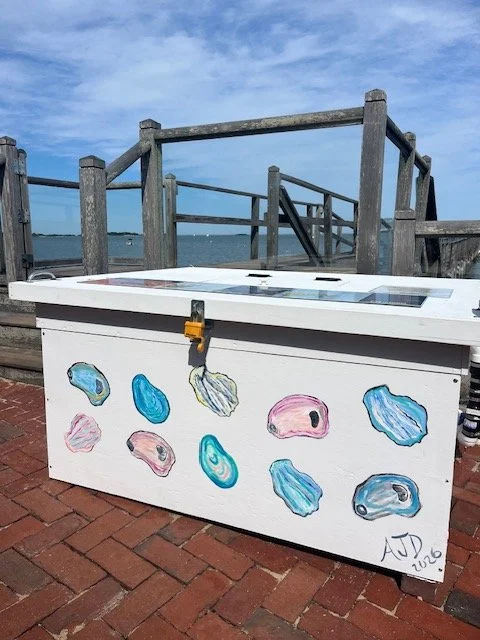
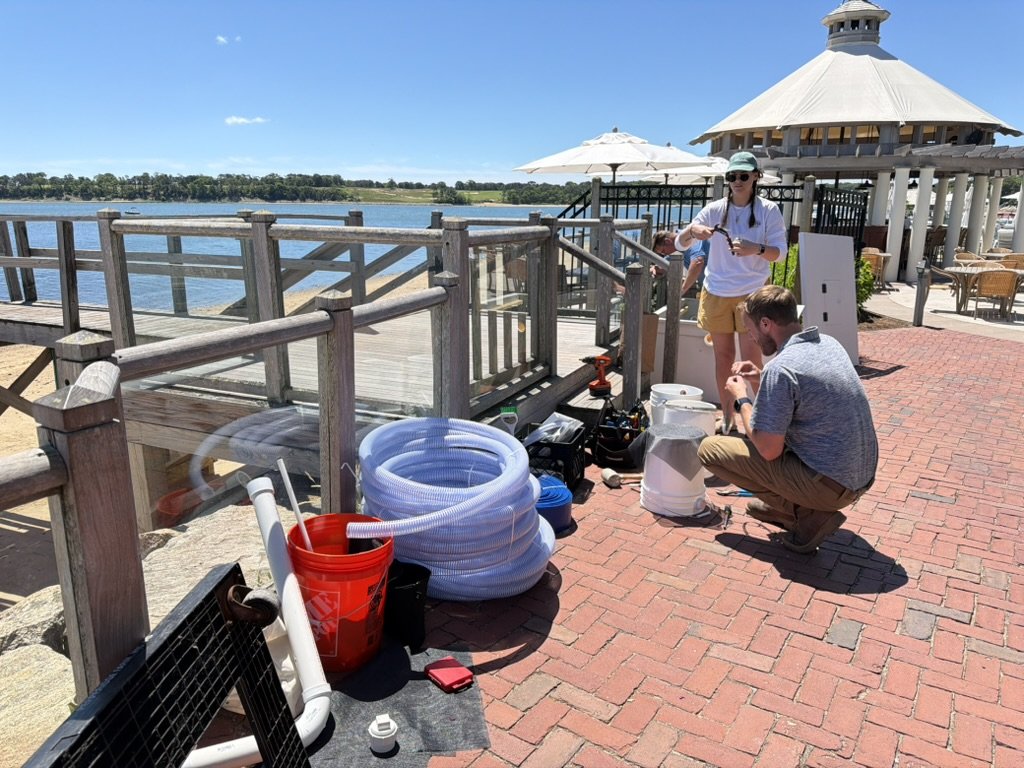


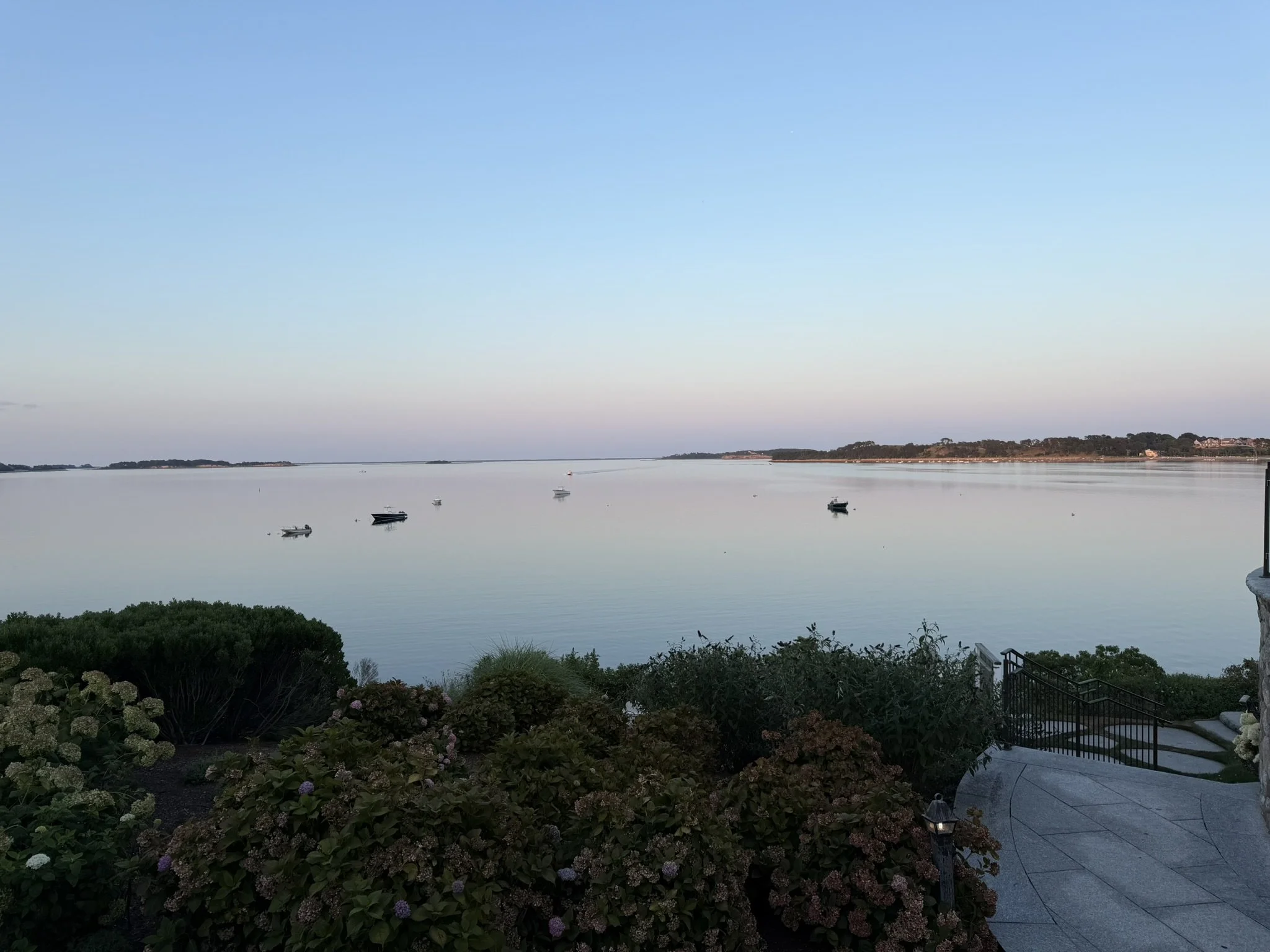
Wequassett Resort and Golf Club has partnered with the Massachusetts Oyster Project to help grow oyster restoration on Cape Cod by installing an upweller on the premises and joining the Project’s shell recycling program.
"This partnership captures everything the Mass Oyster Project strives to accomplish,” said Liv Woods, Executive Director of the Massachusetts Oyster Project. “Guests can see young oysters being grown just steps from the water they'll one day help restore, while the resort's shell recycling program gives every shell served a second life. Together, these efforts create a true full-circle approach to conservation, connecting restoration, education, and sustainability."
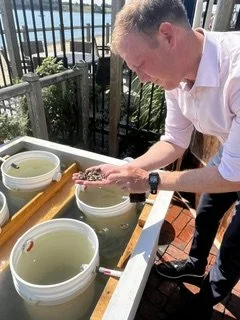
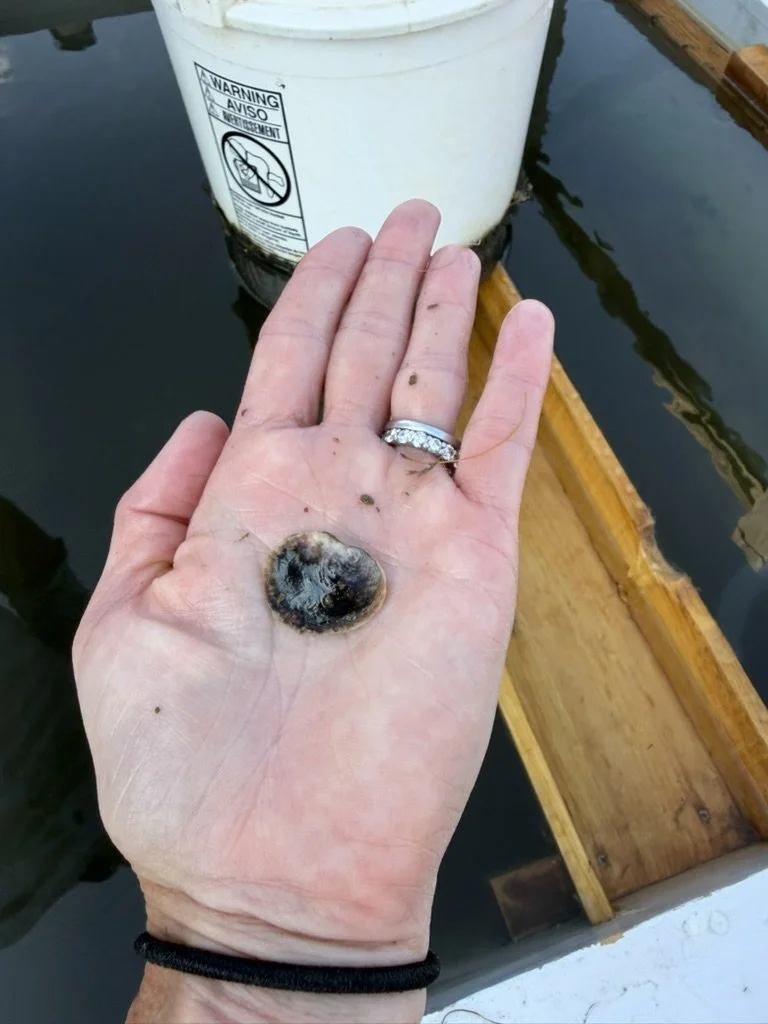
The upweller was installed earlier this summer and will serve as a safe environment to grow young oysters until they are large enough to be planted in nearby Pleasant Bay.
Hotel guests will be able to visit the upweller to learn about oyster restoration and the important role oysters play in coastal ecosystems.
The resort also offers a Coastal Hatchery Tour experience, which takes guests to the nearby ARC Hatchery, the largest in the state, to learn about the various life stages of an oyster and how they’re sorted, measured, and graded.
“I find it very rewarding to have the opportunity to connect with our guests, members and local community about something that speaks to the authentic culture of Cape Cod,” said AJ Dagnese, Director of Rooms for Wequassett. “It's wonderful to see visitors of all ages fascinated by the baby oysters and leave with a greater appreciation for oyster restoration and conservation.”
In addition to the upweller, the resort’s dining locations will now reclaim oyster shells for the Mass Oyster Project’s shell recycling program. Shells will be collected and then aged for a year at ARC Hatchery in Dennis, before being used as the foundation for new oyster reefs around the state.
Oyster reefs provide numerous benefits to their natural environment and are crucial to a more resilient Massachusetts coastline in the face of climate change. A single oyster can filter up to 50 gallons of water a day, removing harmful pollutants in the process. Strong reefs also act as a buffer for storm surges, dissipating wave energy and mitigating coastal erosion, as well as providing safe habitats for other marine life. One oyster reef can support as many as 200 additional species.
For more information about the Massachusetts Oyster Project, contact Executive Director Liv Woods at liv.woods@massoyster.org. For more information about Wequassett Resort and Golf Club, contact WEQ@moderncurrencypr.com.
