

How oysters improve coastal water quality
Natural algae bloom prevention
Coastal ecosystems rely on nitrogen and phosphorus to support marine life. However, too much of these nutrients can trigger a process called “eutrophication” or “algae bloom,” where the high levels of nutrients cause a spike in the amount of algae. When the algae dies off, its decay consumes oxygen, making the water low in or devoid of oxygen (hypoxic). This kills fish, crustaceans, and other marine life—disrupting the entire ecosystem.
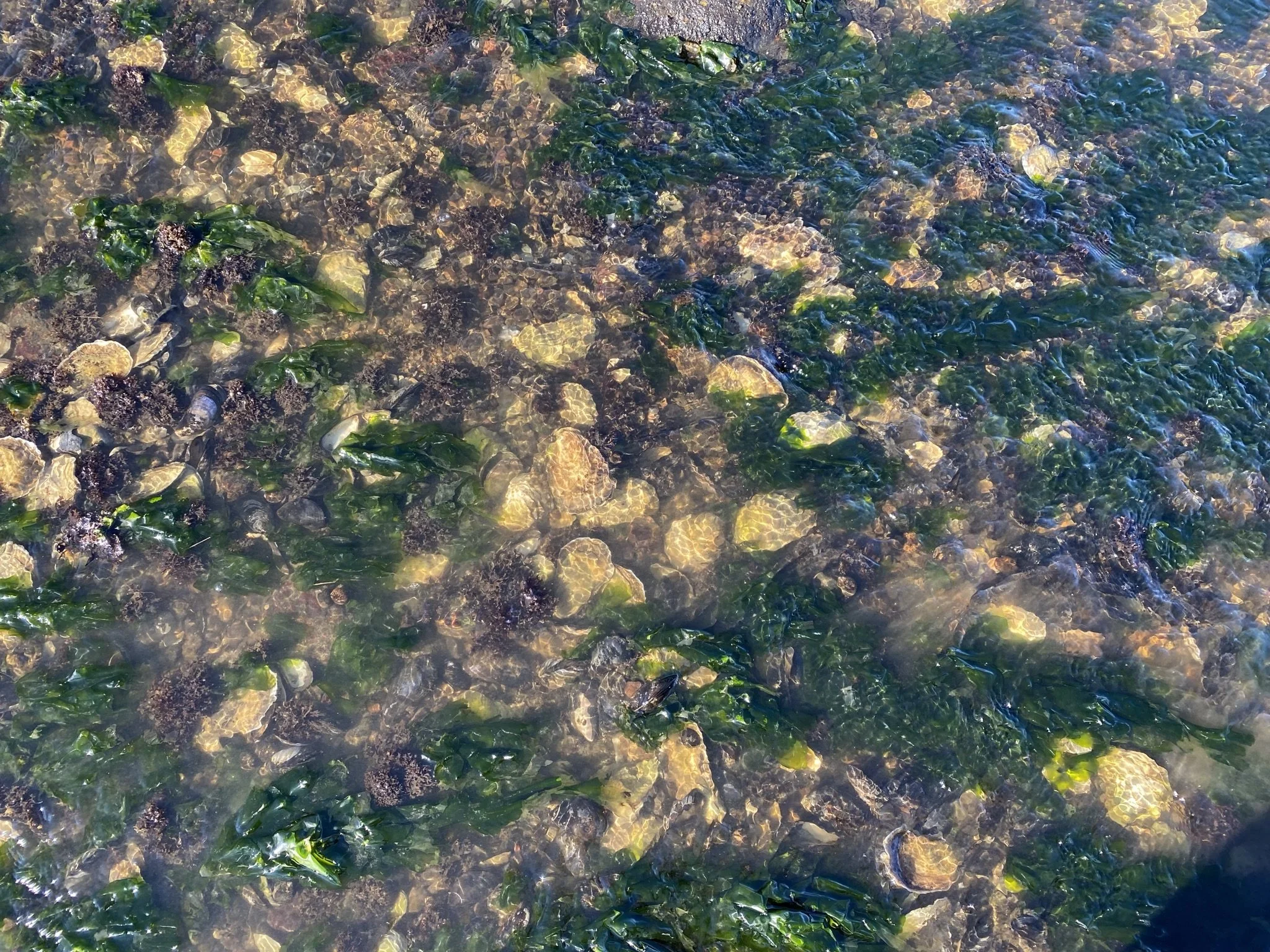
Healthy oyster populations filter out excess nutrients
Oysters are filter feeders. They take in water from their surroundings and extract particulate matter before releasing it back into their surroundings. Oysters are picky and prefer to take in organic material with nutritional value, like the excess nutrients that cause algae blooms.
What causes algae blooms?
Runoff from human activities like farming, residential lawn care, and inadequate septic systems can introduce excess nitrogen and other nutrients into the water. This, combined with decreased natural oyster reefs, means algae blooms become more common and coastal water quality suffers.
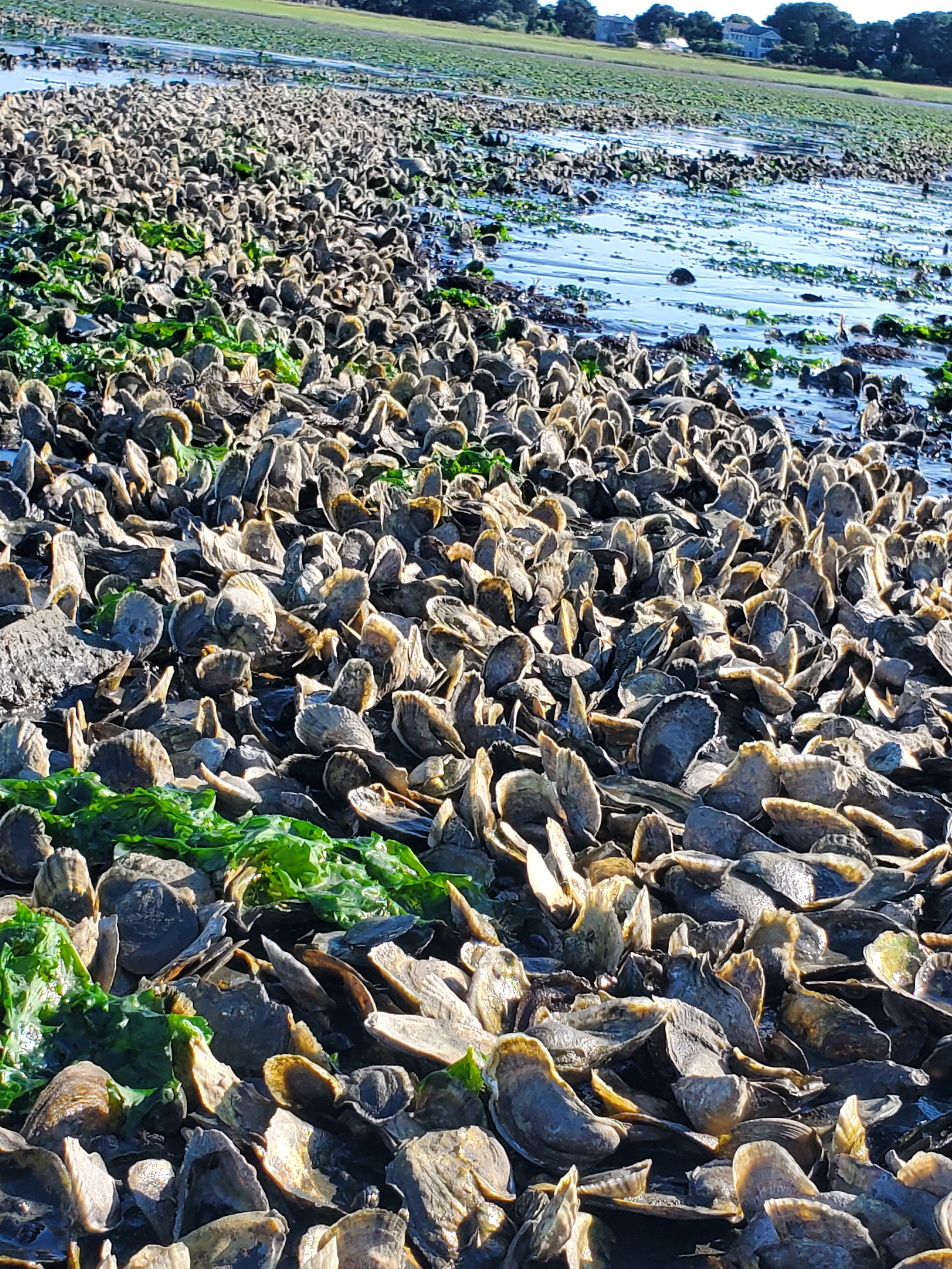
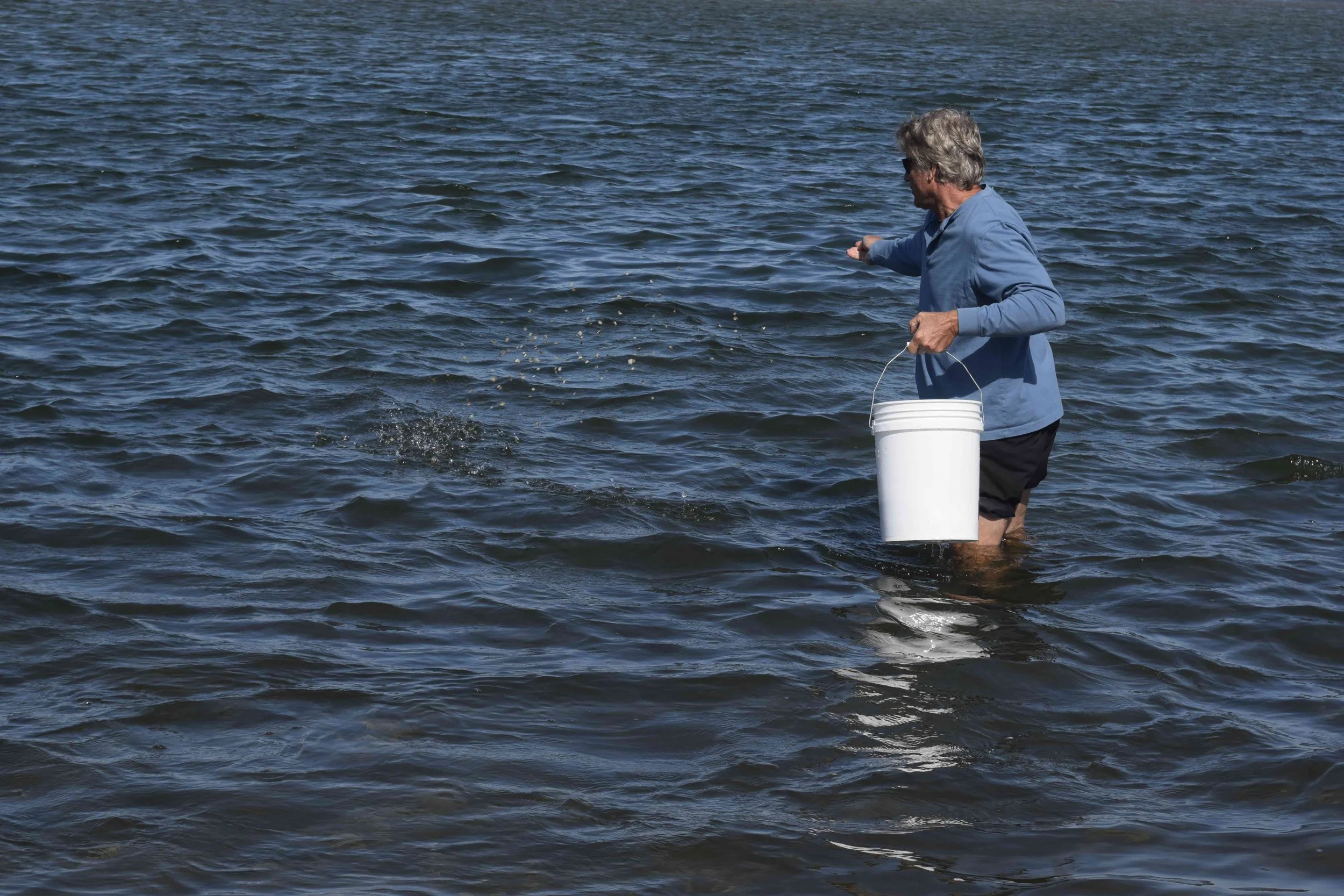
Restoring the oyster population to Massachusetts
Through our restoration program, the Massachusetts Oyster Project is working to restore the oyster populations that help maintain water quality.